




The Story of African Black Soap: From West African Craft to Modern Body Care
Before African black soap became a familiar ingredient in contemporary beauty collections, it was already part of everyday cleansing traditions across communities in West Africa.
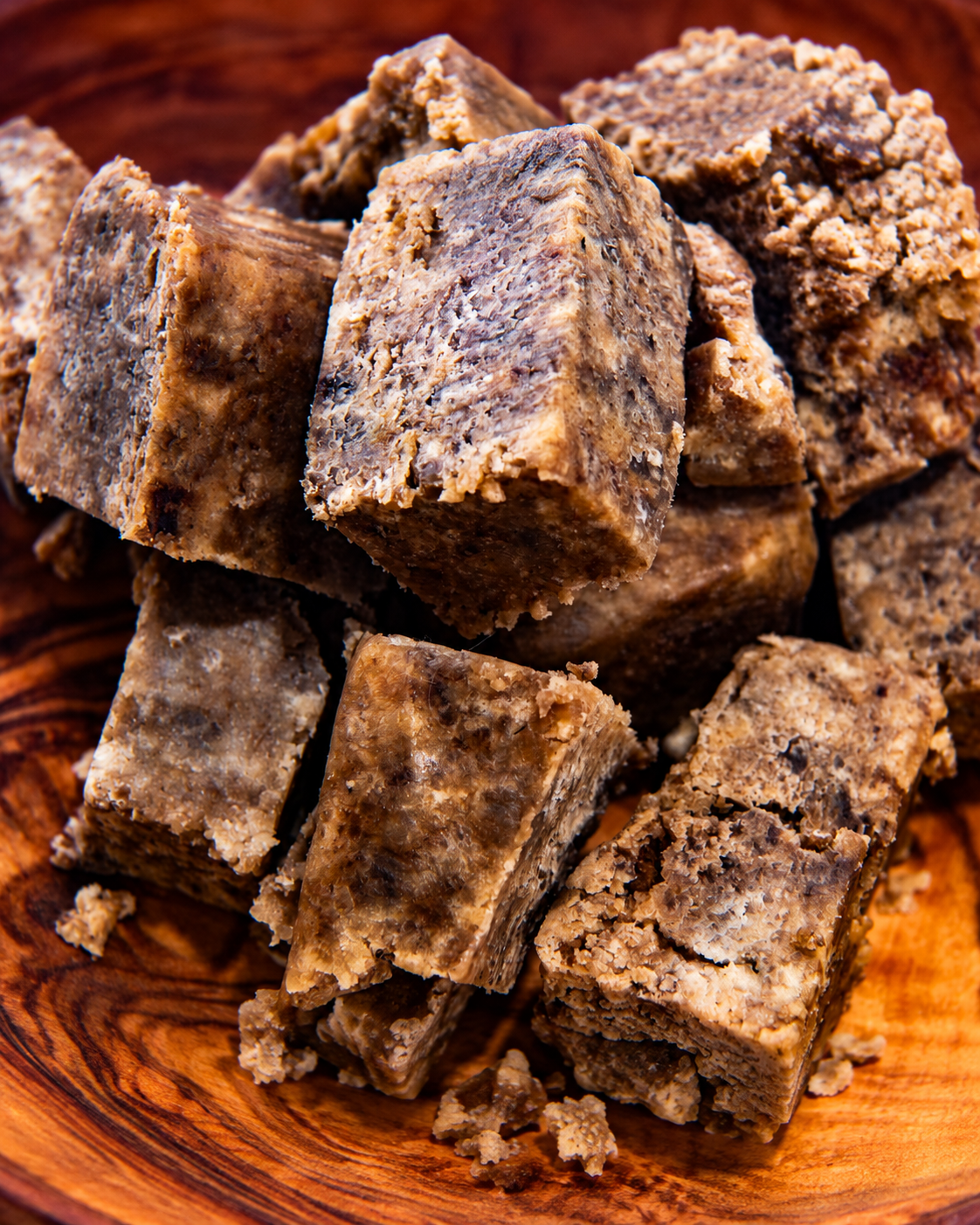
In southwestern Nigeria, it is known in Yoruba as ọṣẹ dúdú, meaning black soap. Its appearance varies from dark brown and black to lighter grey tones, depending on the materials and preparation methods used.
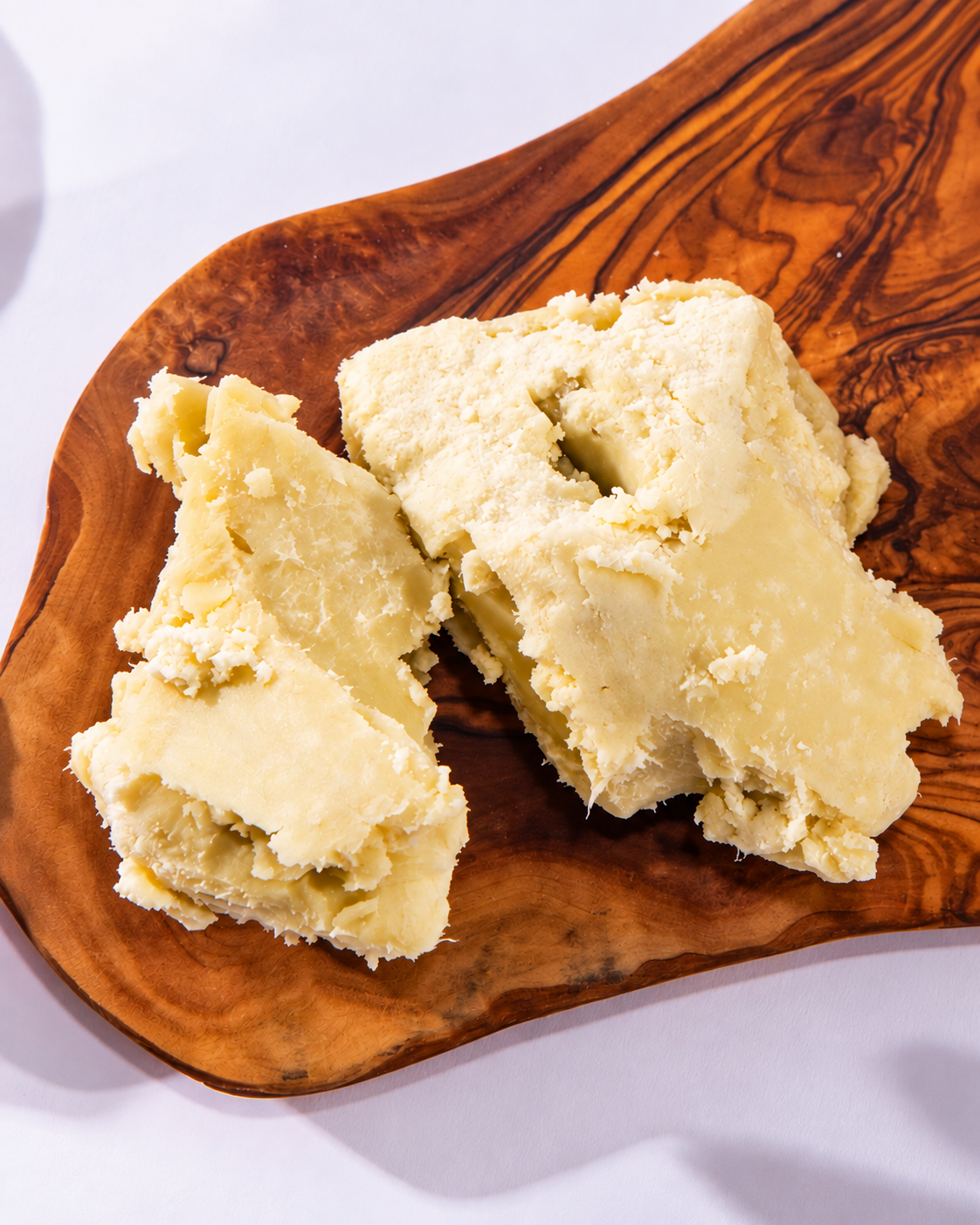
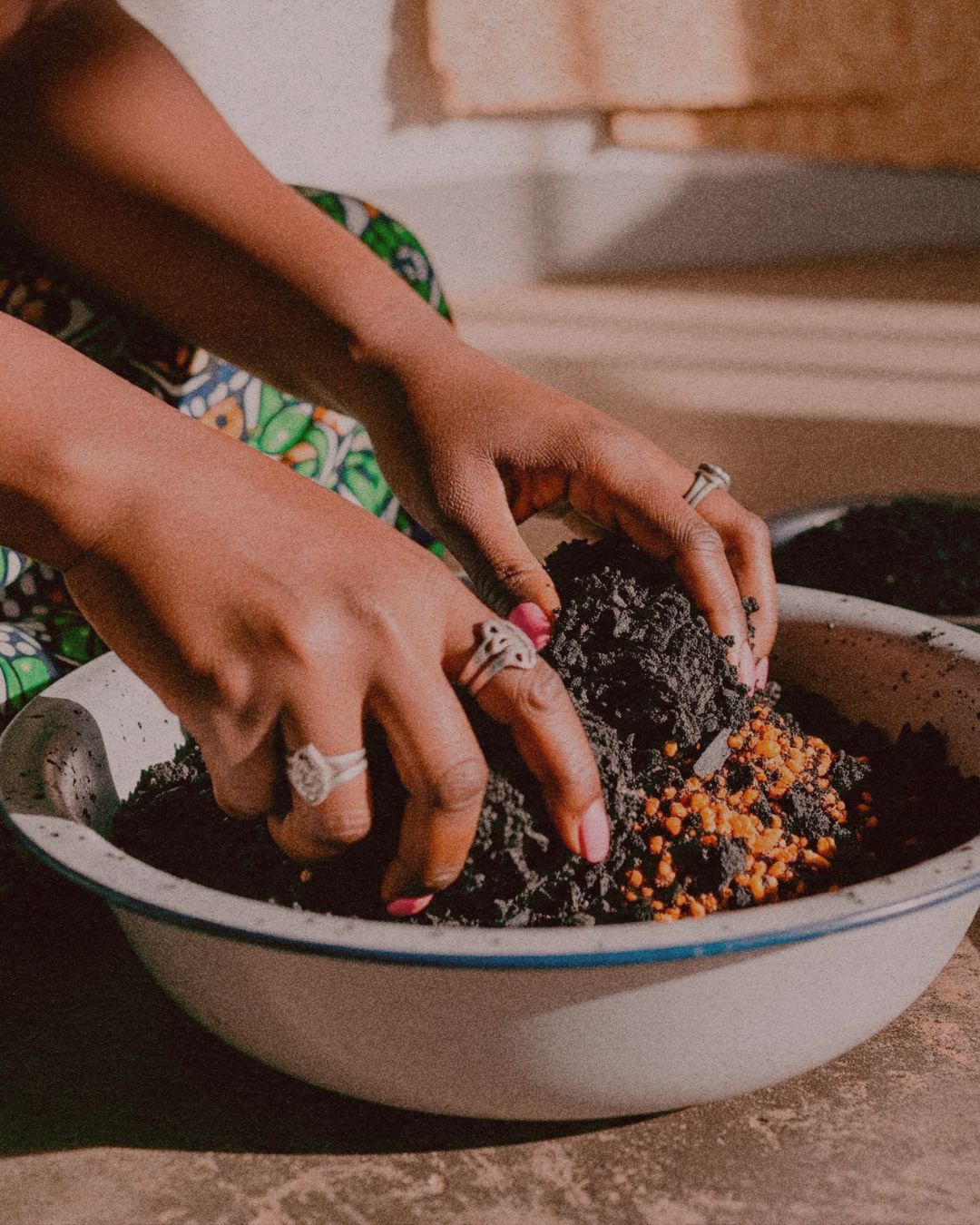
Unlike many modern cleansers, traditional black soap is produced using alkali derived from plant ash, combined with vegetable oils. Agricultural materials such as cocoa pod husks and palm residues have historically contributed to its production.
This is more than an ingredient story. It is a story of practical knowledge, local materials, and methods refined through repeated use.
What does the science tell us?
Researchers O. E. Taiwo and F. A. Osinowo examined agricultural materials used in traditional black soap production. Their 2001 study identified potassium compounds in ash extracts, helping explain their role in soapmaking.
Dermatologists Adebola Ogunbiyi and Nkechi Enechukwu also reviewed African black soap's composition and reported antimicrobial properties in laboratory research. However, they cautioned that several popular skincare claims remain anecdotal.
These distinctions matter. Respecting traditional knowledge also means being precise about what contemporary research has established.
A tradition, thoughtfully reimagined
For Raen Büti, African black soap represents a connection between inherited knowledge and contemporary body care.
Our Whipped Botanical Black Soap draws inspiration from this heritage, presenting a familiar cleansing tradition in a modern, sensorial format.
The intention is not to reinvent the past, but to carry its influence into the present with care.
References
-
Adebola Ogunbiyi and Nkechi Enechukwu (2021), African black soap: Physiochemical, phytochemical properties, and uses. Read the research
-
O. E. Taiwo and F. A. Osinowo (2001), Evaluation of various agro-wastes for traditional black soap production. Read the research
-
Cutaneous adornment in the Yoruba of south-western Nigeria – past and present (2006). Read the cultural research.