

Inside Shea Butter: The Fatty Acids Behind Its Rich Texture
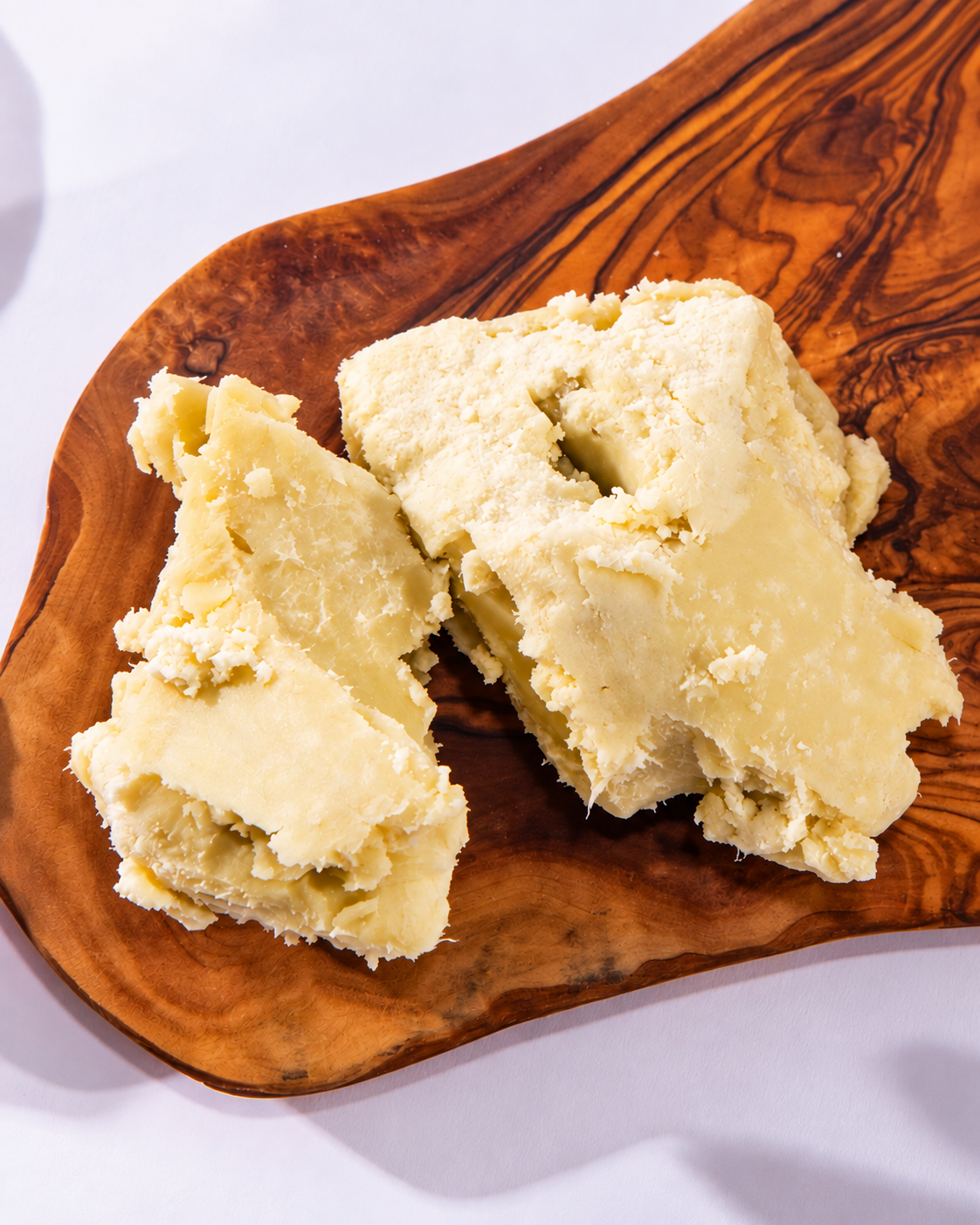
Rich, smooth, and naturally emollient, shea butter has long been valued for its versatility.
Derived from the kernels of the shea tree, Vitellaria paradoxa, it is widely used across parts of Africa in food preparation, traditional body care, and other everyday applications.
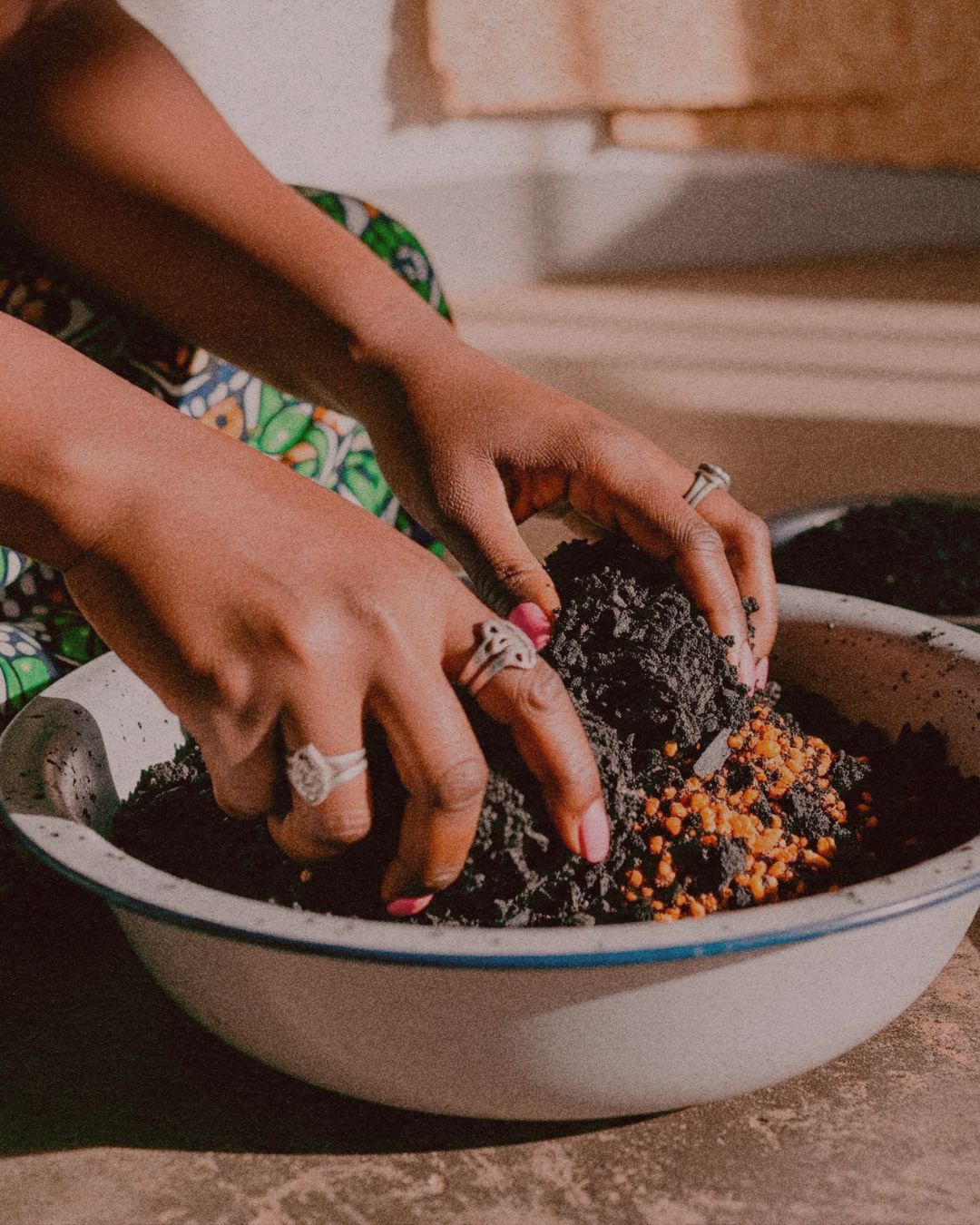
Its transformation from fruit to butter involves a series of careful steps, including collecting, preparing, drying, and processing the kernels to extract their fat.
Traditional processing methods vary across communities, reflecting local knowledge and craftsmanship.
But what gives shea butter its distinctive texture?
Understanding the composition
Much of shea butter's character comes from its fatty acid composition.
Two particularly important components are stearic acid and oleic acid.
Stearic acid contributes to the butter's structure and firmness, while oleic acid contributes to its softer, more pliable qualities.
A 2026 review by H. Zhang and colleagues documents these major fatty acids alongside other naturally occurring components, including tocopherols, sterols, and triterpenes.
Research also shows that the composition and properties of shea butter can vary with its origin and processing method.
What this means for the skin
In cosmetic formulations, shea butter is valued as an emollient, helping soften the skin and improve its feel.
However, ingredient composition alone does not prove every claimed skin benefit. Clinical research examining vegetable oils and butters has found that their effects depend on factors including fatty acid profiles, skin condition, and application.
Understanding these differences helps connect botanical tradition with responsible formulation.
From ingredient to experience
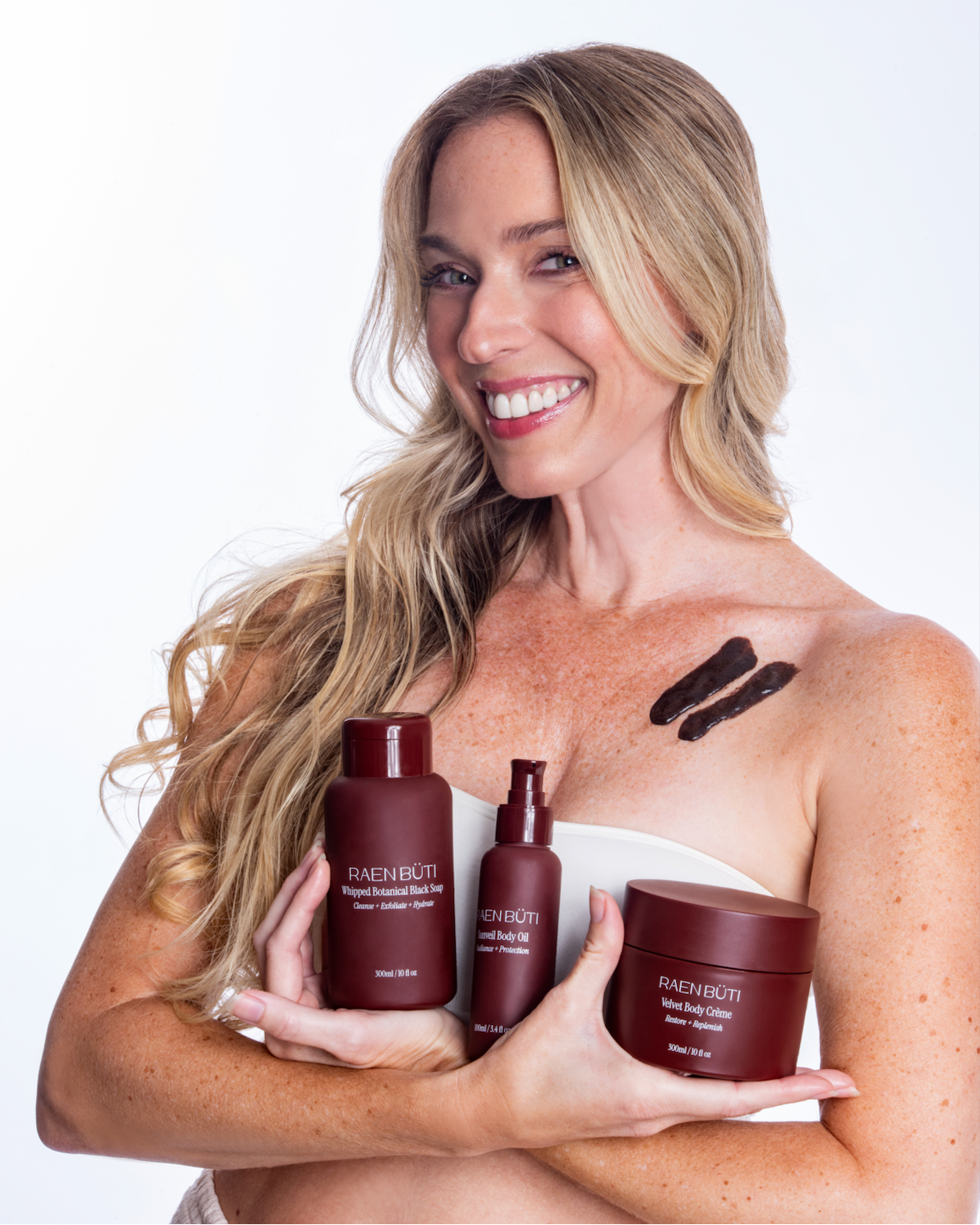
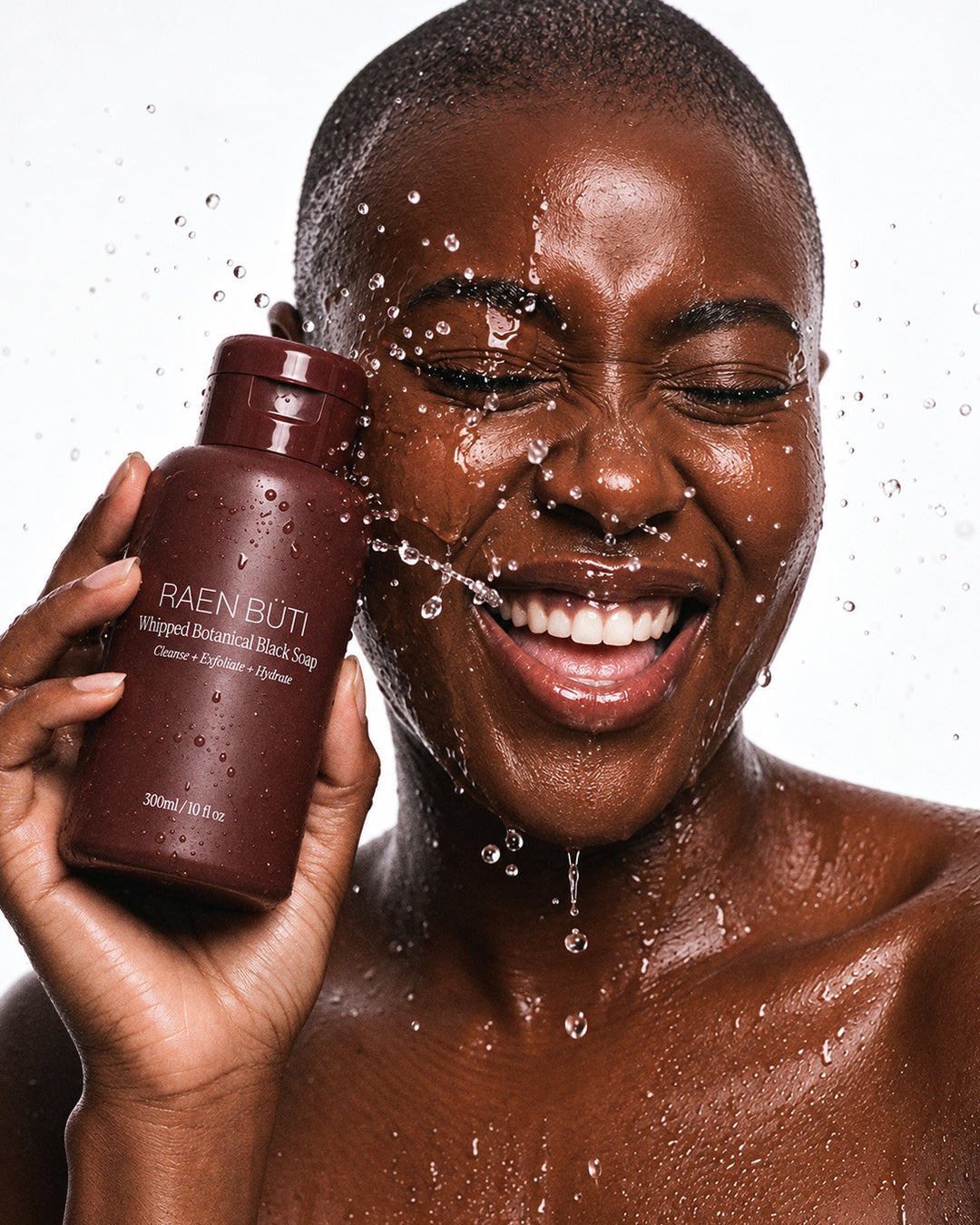
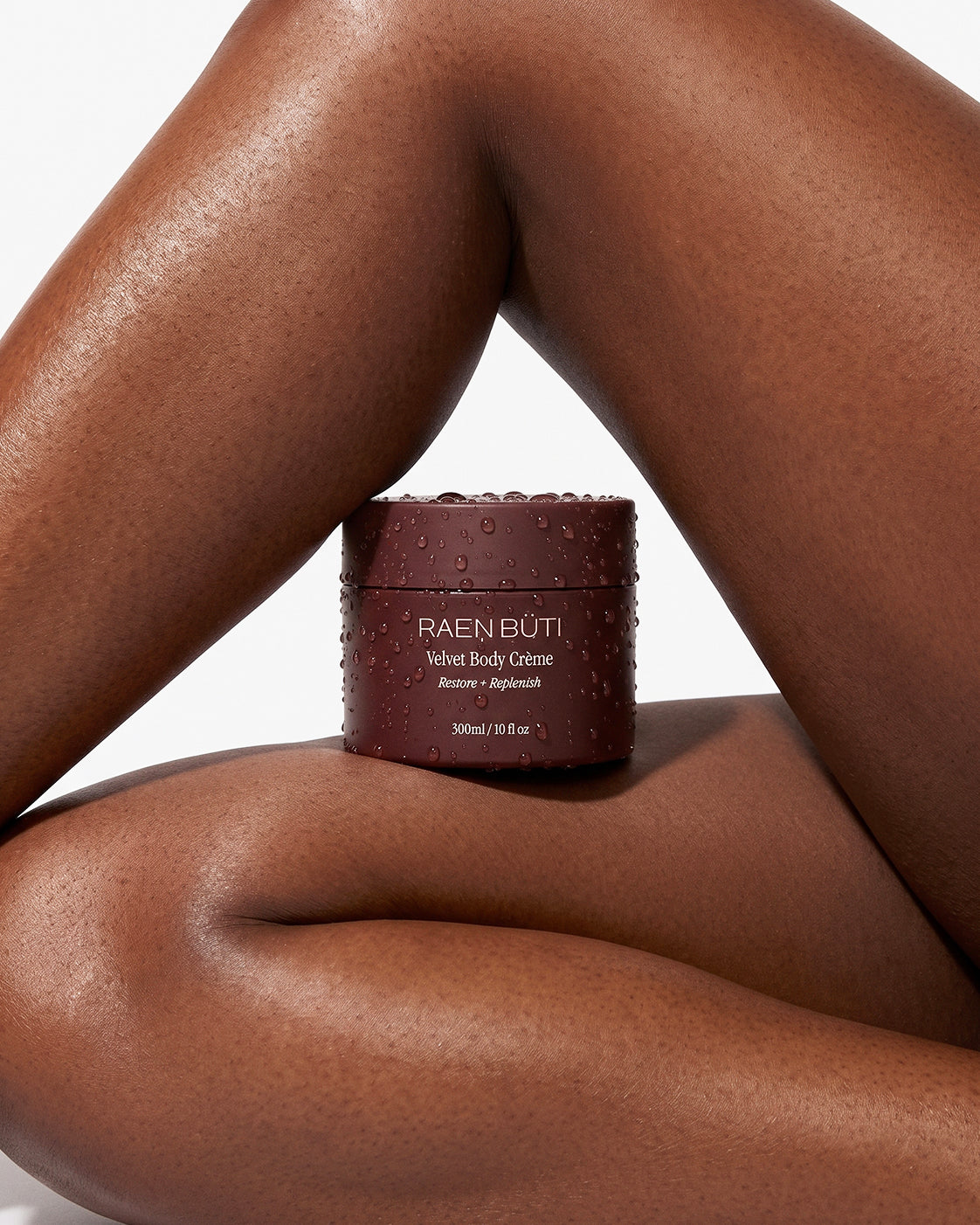
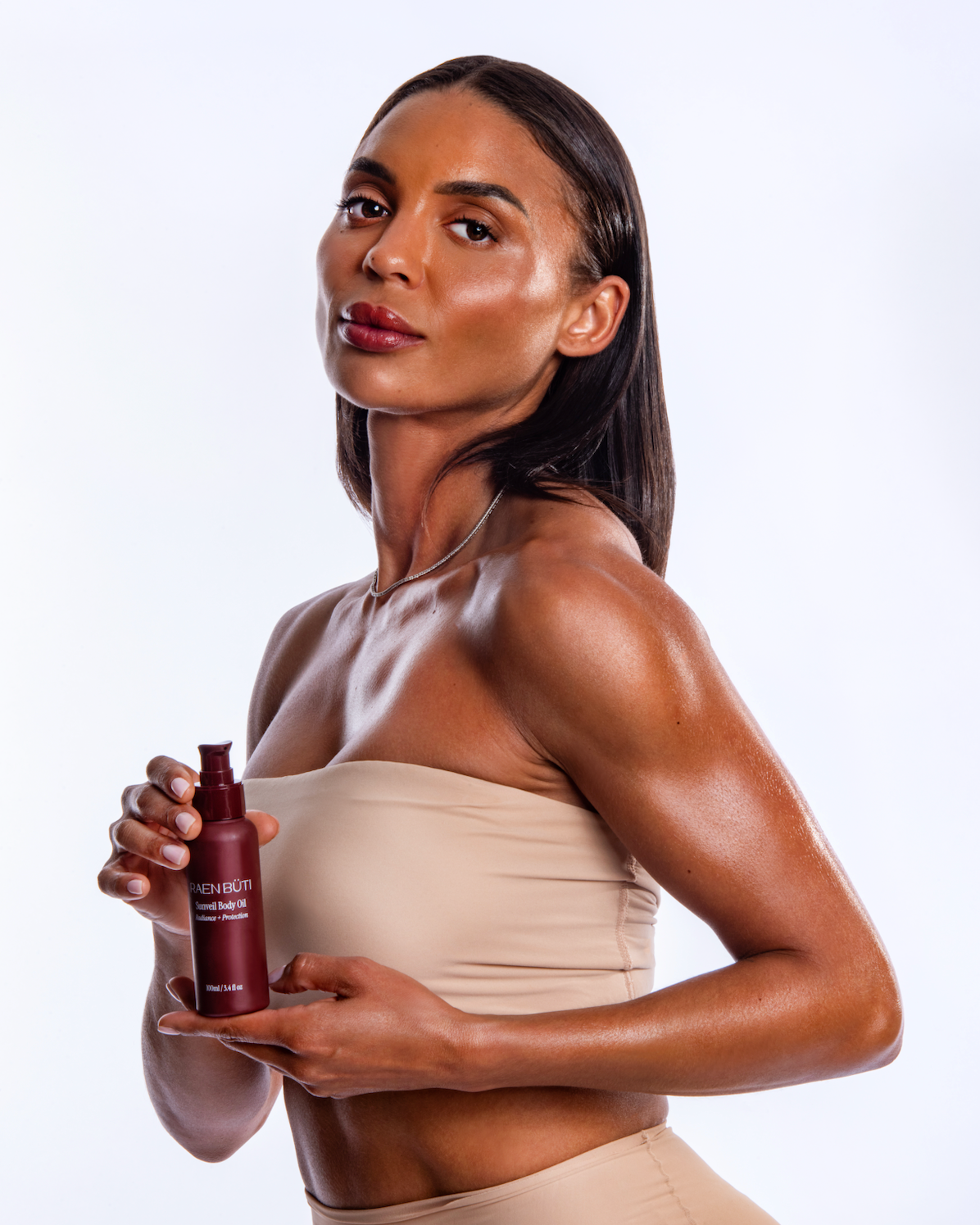
At Raen Büti, shea butter is part of a broader approach to body care inspired by African botanicals.
It contributes richness and a comforting skin feel to formulations designed to make daily moisturization a more considered experience.
Its value lies not only in its history, but in the relationship between its origins, composition, and the care with which it is used.
References
-
H. Zhang and colleagues (2026), Shea Butter: A Comprehensive Review of Its Compositions, Processing, Applications, and Challenges. Read the review
-
Nina Poljšak and Nina Kočevar Glavač (2022), Vegetable Butters and Oils as Therapeutically and Cosmetically Active Ingredients for Dermal Use: A Review of Clinical Studies. Read the clinical review
-
Centre for the Promotion of Imports (CBI), The European market potential for shea butter. Read the market and ingredient overview.
Read more
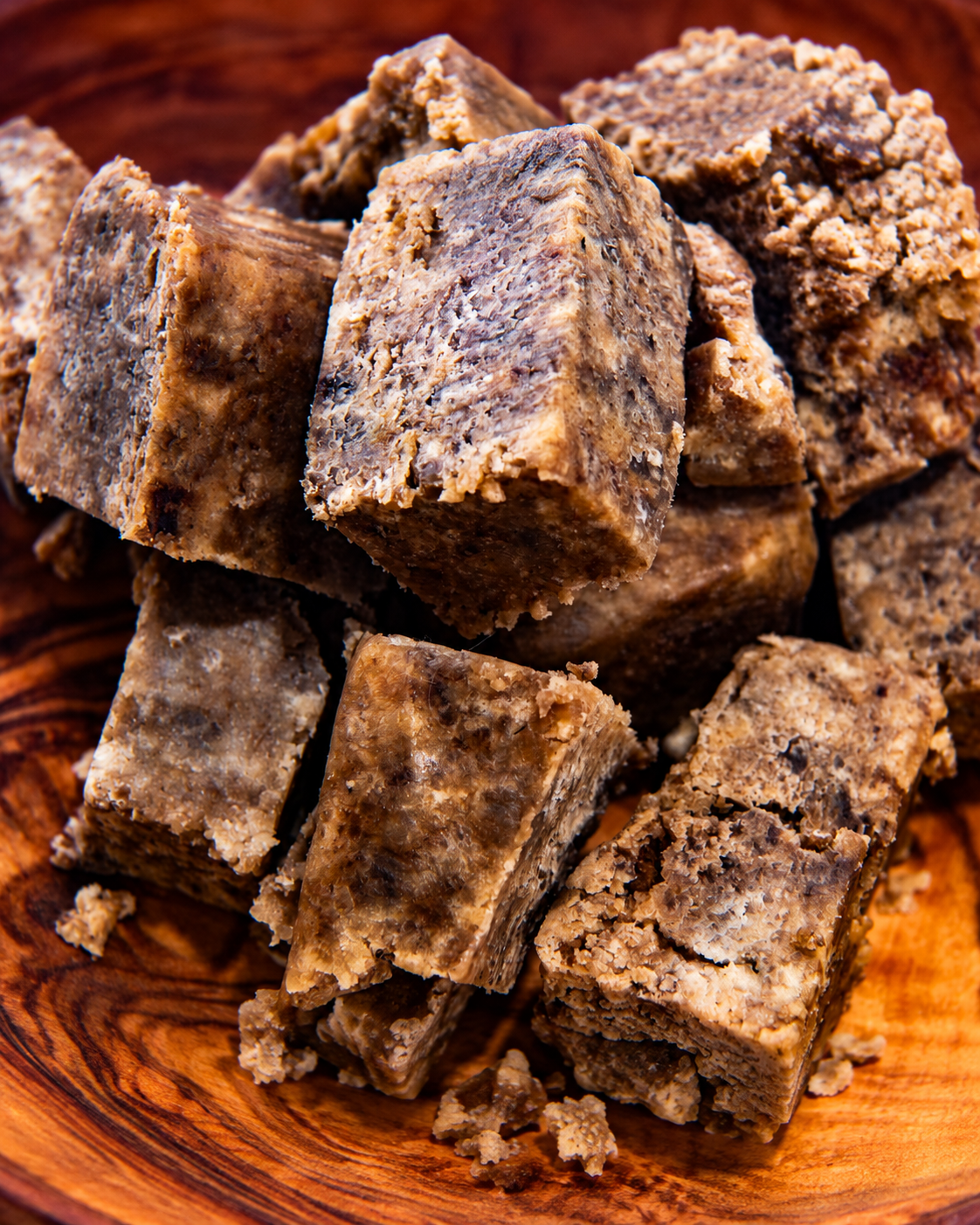
A closer look at the West African origins, traditional ingredients, and enduring craftsmanship behind African black soap.

Discover how intention can transform familiar moments of body care into something more meaningful.